The Moment: October 2026
In this issue
Midterms are bearing down, a delightful opportunity to be reminded that democracy is either dying or thriving, depending on which cable segment is currently shouting at you. We’d like to offer a third option: It’s being built, thoughtfully and doggedly, by people who are allergic to apathy.
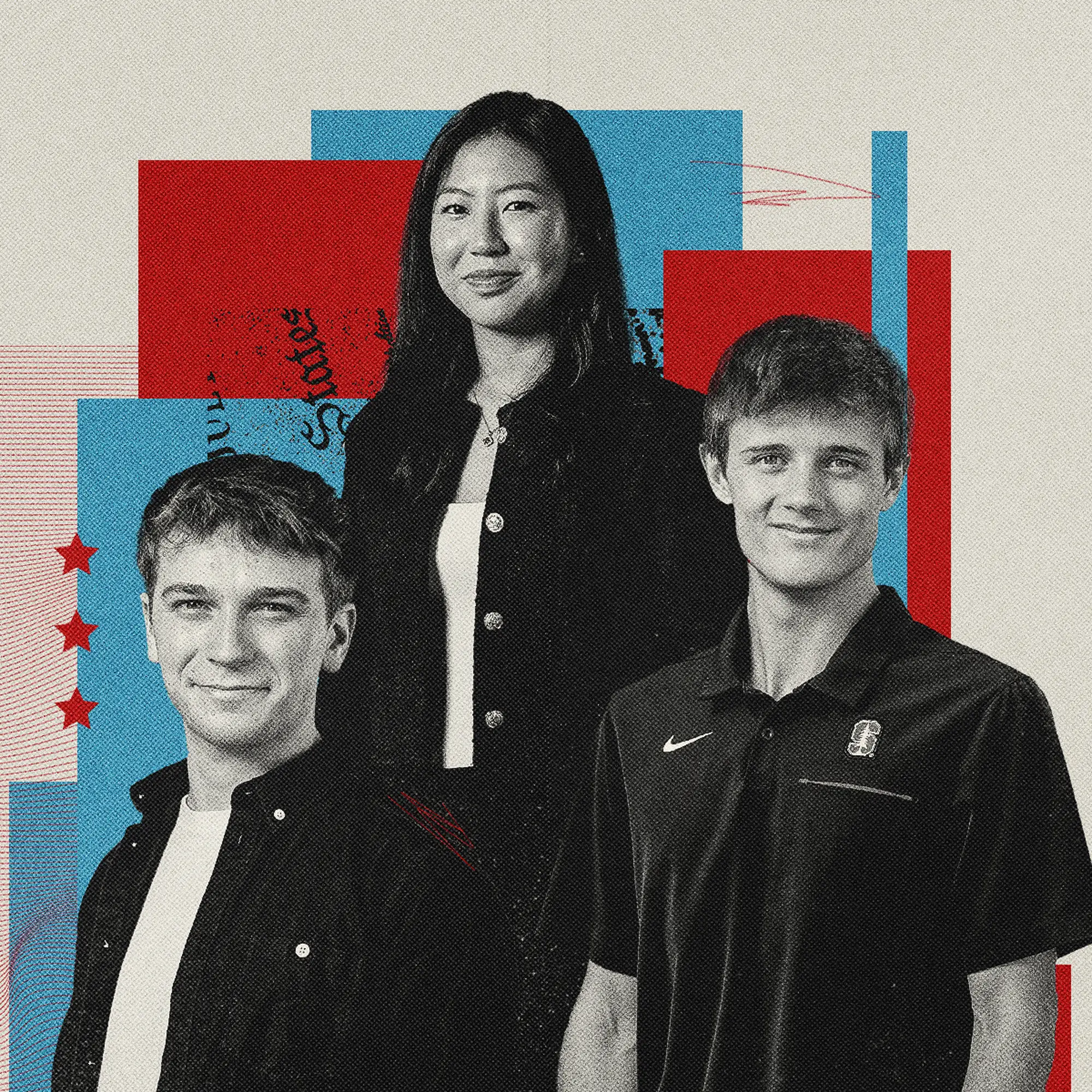
This issue, we found three of them—students who’ve dedicated their spare time to registering voters, building civic traditions, and modeling real disagreement. As a trio, they make a case that Stanford’s century-old commitment to democracy and civil discourse isn’t just robust but contagious. (Exhibit A: Stanford has become a national leader when it comes to voter turnout.)
Elsewhere, meet Héloise Hoffmann, ’26, who turned her own rare-disease diagnosis into a gene therapy she's now developing to treat it. If “someone should really fix this” has ever crossed your mind, consider this your proof that it can be done.
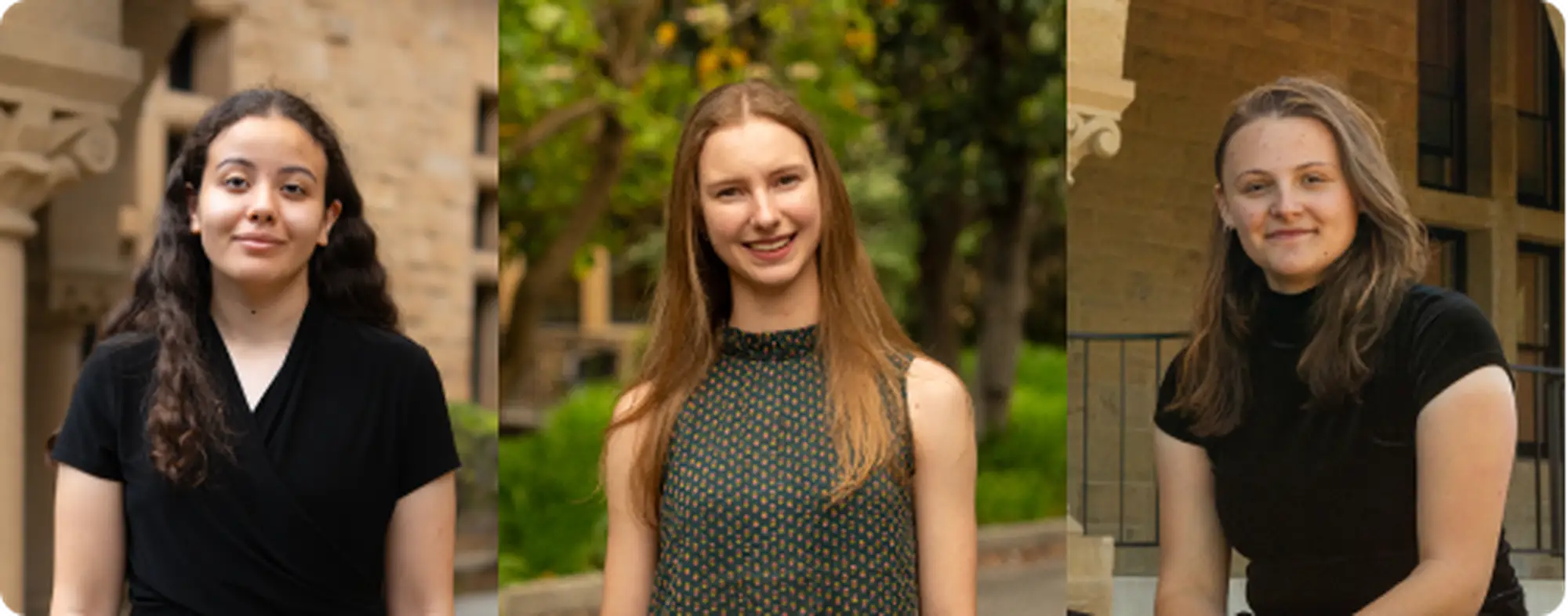
And we’re introducing three new Changemakers: one student chasing elegant mechanical solutions, another building bridges to local high schoolers, and one learning to debate without drawing blood.
Vote. Read. Talk to someone who disagrees with you. (Yes, people too young to rent a car have somehow figured this stuff out before the rest of us.)
Exercising influence
Taking a page from Stanford’s Founding Grant, three students are betting that democracy and civil discourse aren’t just quaint ideas.
Exercising influence
Meet the studentsTaking a page from Stanford’s Founding Grant, three students are betting that democracy and civil discourse aren’t just quaint ideas.
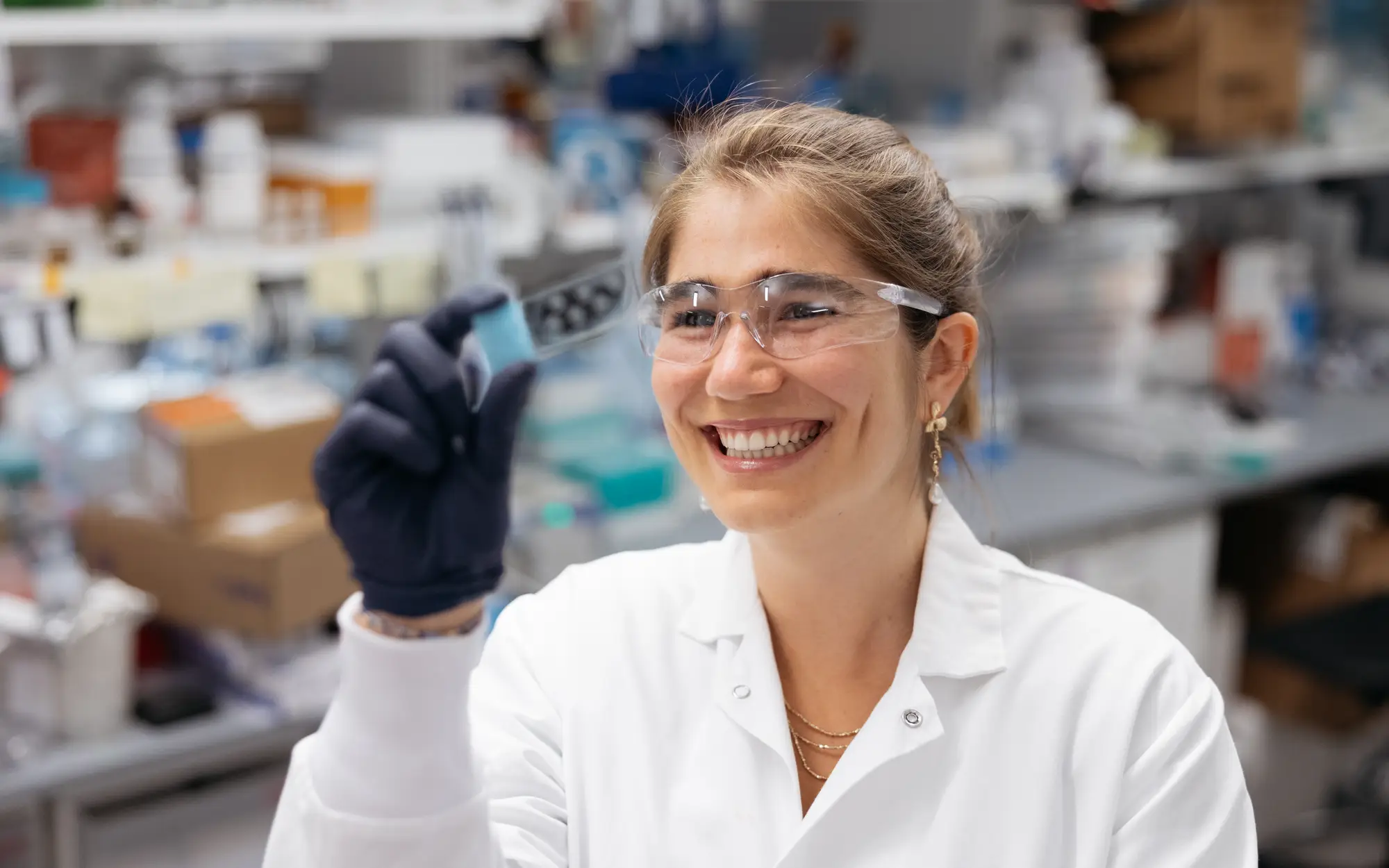
Photo: Andrew Brodhead
Chasing her own cure
Read Héloise's storyA recent grad is developing a gene therapy for the rare disease she was told had no treatment.
Photos: Jess Alvarenga
Paths made possible
Hear from these scholarship recipientsThree students on the classes, moments, and support that have shaped their Stanford experience.

